KUCHING: Sarawak’s bold push towards a green economy is both commendable and strategically necessary, but its success hinges on execution grounded in strong institutional foundations and clear policy coherence.
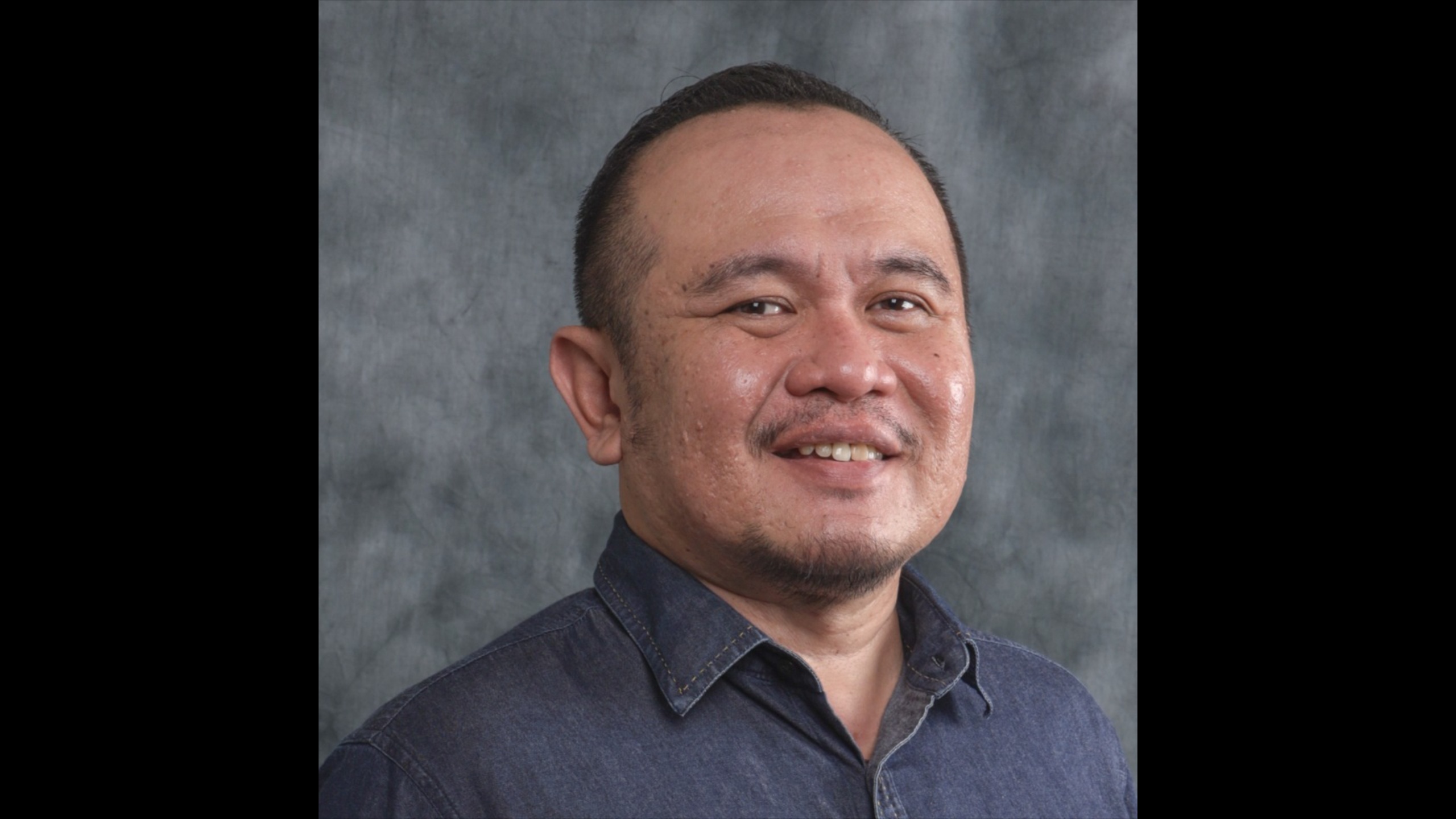
In stating this, economist Haslan Ottot from Universiti Malaysia Sarawak (UNIMAS), said that while the state is well-positioned to lead in sustainable development, ambition alone will not guarantee outcomes.
“Despite the state’s abundant natural capital and diverse communities, ambition must be matched by execution.
“Without a robust institutional foundation, clearly defined metrics, and strong policy coherence, even the most promising plans risk falling short,” he told Sarawak Tribune.
A Green Economy Roadmap with Measurable Outcomes
To move forward, Haslan calls for the immediate establishment of a Green Economy Roadmap that consolidates existing sectoral strategies, particularly in renewable energy, sustainable agriculture and eco-tourism, under a single unified framework.
“While sustainability elements are present across current initiatives, these efforts remain fragmented without a central mechanism to align goals, track progress, and ensure accountability,” he said.
Adding on, he emphasised that the roadmap must articulate clear sectoral targets tied to sustainability performance, be supported by governance structures that promote inter-agency coordination, and adopt outcome-based monitoring frameworks that align with both the Sustainable Development Goals and Sarawak’s own development objectives.
Turning to the broader economic impact, he stressed that resilience in the 21st century will be defined by a region’s ability to transition away from carbon-intensive sectors.
For Sarawak, he believes the path forward lies in diversifying into value-added green industries, supported by technological innovation and a commitment to inclusive growth.
“Critical areas of transformation include adoption of green technologies in construction, urban planning, and industrial processes.
“These must be accompanied by investments in low-carbon infrastructure and nature-based solutions,” he said.
Human Capital Development
Haslan also highlighted the role of human capital in enabling the green transition.
“A successful green transition hinges on building the right capabilities and attracting strategic investments,” he said.
He stressed the need for long-term human capital planning, focusing on re-skilling and up-skilling Sarawakians for green jobs.
“This would include a proactive investment strategy to bring in ethical, impact-oriented investors aligned with Sarawak’s development priorities, embedding green urban design principles in both new township development and the revitalisation of existing areas,” he said.
On the role of local communities, he pointed to Sarawak’s tradition of community empowerment as a unique asset.
Reflecting on past initiatives inspired by the Blue Ocean Strategy, he noted that participatory development models have shown greater success when local communities are active stakeholders rather than passive recipients.
“Development must be locally owned and demand-driven, not imposed through top-down, supplier-induced approaches.
“Local communities must be active stakeholders, not passive beneficiaries, in shaping and implementing green economy projects,” he said.
A Robust Measurement Framework
To measure the success of its green initiatives, Haslan said that Sarawak must adopt a robust and holistic indicator framework.
Among the economic indicators he proposed were the share of green jobs, GDP contributions from sustainable sectors, eco-SME growth, export value of sustainably certified goods, and resource efficiency.
Social metrics, meanwhile, he added, should include income changes in green project areas, poverty reduction outcomes, access to green infrastructure, and the representation of locals in decision-making.
“These indicators, combined with SDG-aligned metrics, will provide a holistic view of progress and ensure that the transition is inclusive, equitable, and measurable,” Haslan concluded.