MIRI: The Ministry of Health Malaysia is set to bid for funds to launch the second phase of its ambitious MyGENOM programme.
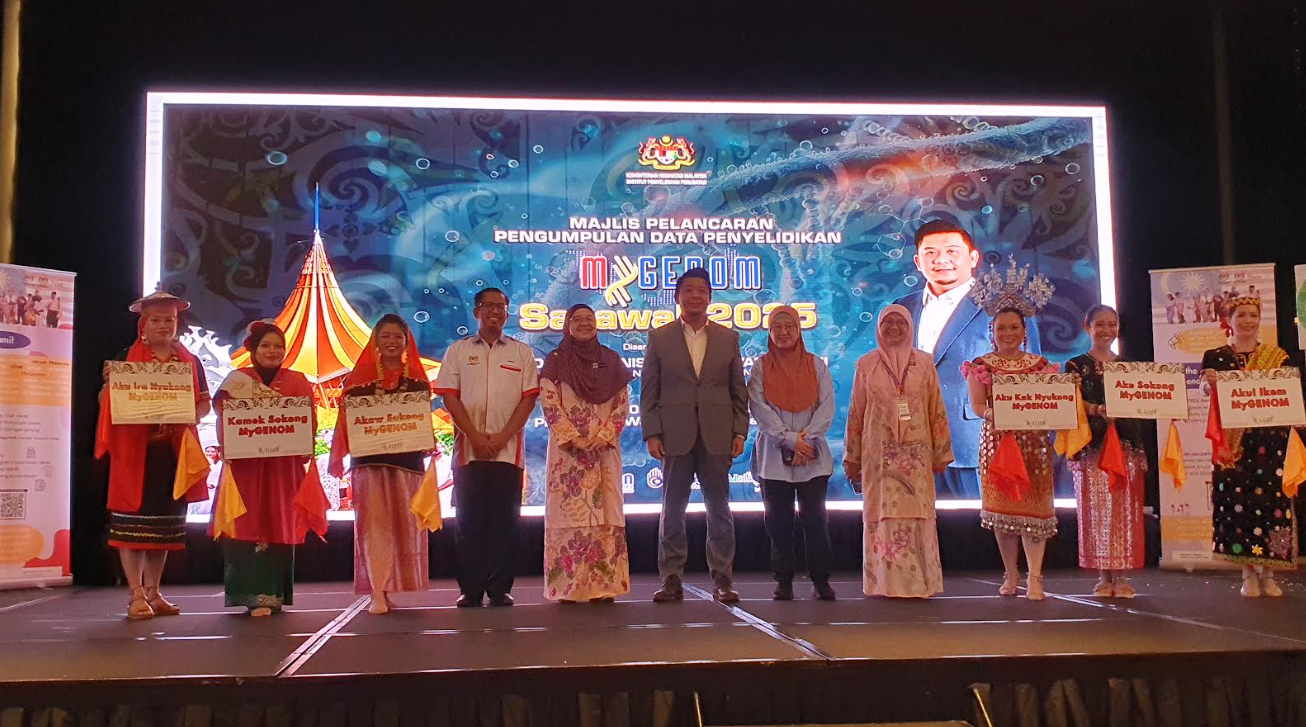
Deputy Health Minister Datuk Lukanisman Awan Sauni said this, during the launch of the MyGENOM programme for the Sarawak Zone in Miri on Monday (April 21).
The MyGENOM programme aims to enhance the understanding of genetic factors that contribute to health issues among Malaysians.
It focuses on gathering genetic data to develop tailored healthcare solutions, particularly for different ethnic groups across the nation. As part of this effort, the ministry is keen to extend the programme into rural areas and involve specific ethnic groups as volunteers.
When queried about the expansion of MyGENOM to rural regions of Sarawak, Lukanisman stated that they have already compiled substantial data from ethnic groups through questionnaires, indicating a solid foundation for future research.
“The ministry plans to utilise hospitals as primary facilities for data collection, given their accessibility to the public.”
Lukanisman noted that this approach is strategic, as these institutions are frequented by a diverse range of communities.
The next phases of the programme will observe methods employed in Peninsular Malaysia, where researchers have begun initiatives focusing on indigenous communities (Orang Asli).
This same focus will be applied in Sarawak, where the research team plans to explore similar opportunities if additional funding becomes available, he disclosed.
Funding remains a concern, particularly due to logistical challenges in Sarawak.
While specifics on funding amounts could not be disclosed, he pointed out that the overall costs include specialised expertise, logistics, and necessary equipment, making it a costly venture overall. “This is a standard exercise for us.”
He revealed that they hope to lobby for support from the Finance Ministry, targeting RMK13 (13th Malaysia Plan) funding, which is expected to cover the period from 2026 to 2031.
He expressed optimism about the potential for securing this essential funding.
In the first phase of the programme, 121 samples were collected within just six days, contributing towards the initial goal of 2,490.
For the second phase, the cumulative target has been set at 10,000 samples.
Achieving this ambitious number will require careful planning and explanation to both ministries involved, according to Lukanisman.